
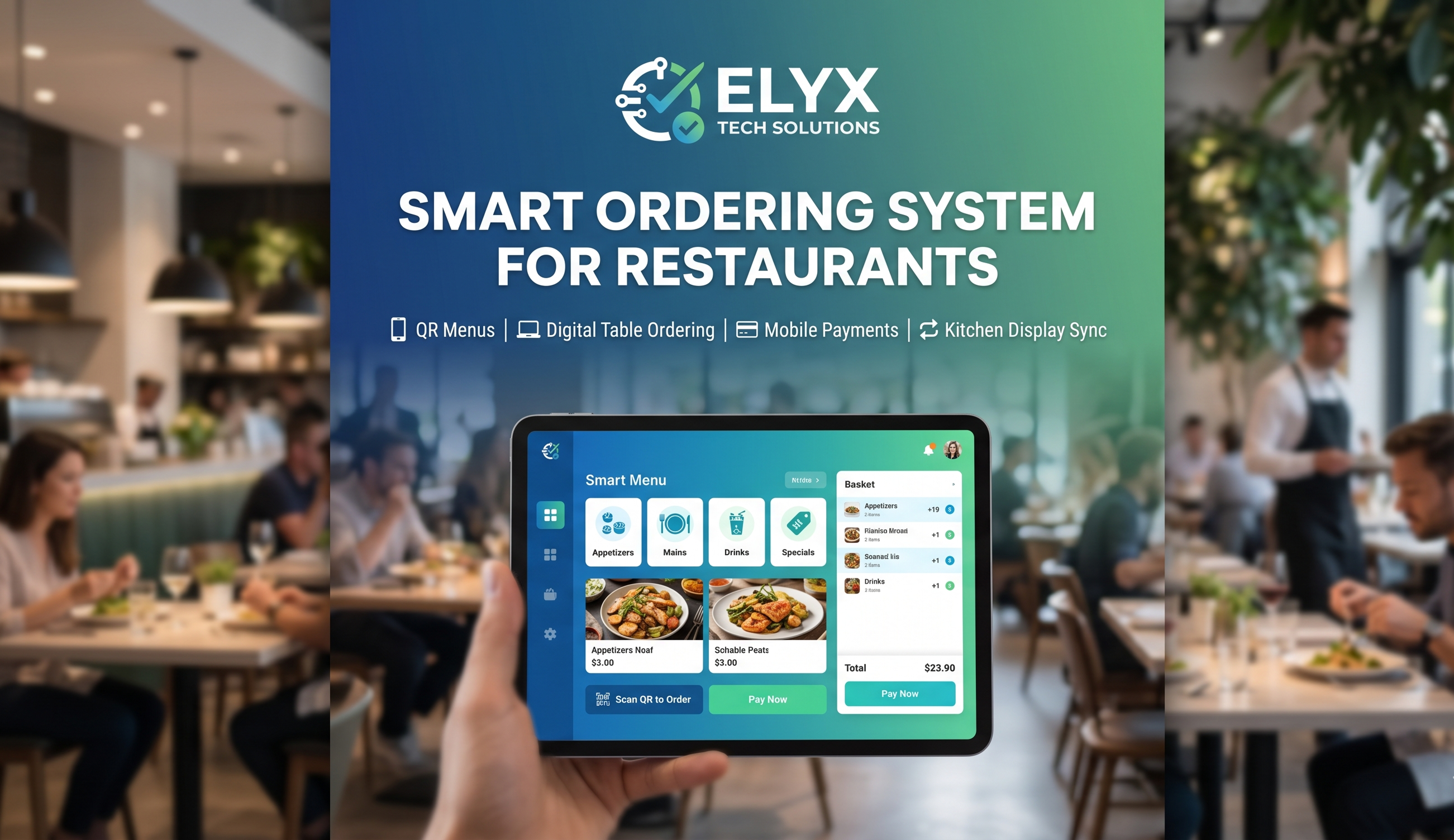
Digital technology's arrival in restaurants has sparked debate: can a QR code fully replace a classic, tangible paper or leather-bound menu? Reality shows both formats have strengths and weaknesses.
Paper menus' main advantage is their tactile emotional appeal, particularly in fine dining. But the drawbacks are clear: they wear out, get dirty, have limited page space and cannot show every dish. The biggest problem is price inaccuracies: correcting prices with a pen during inflation leaves guests with an unpleasant impression.
QR menus provide unlimited freedom. Every dish has an appealing photo, which has been shown to increase average bills by 15–20%: people order with their eyes. They are particularly convenient for foreign visitors, who can select English or Russian in a second.
The best solution used by forward-looking restaurants is a hybrid model. QR codes on tables serve 85–90% of guests, while staff always keep a few attractive printed copies ready for those without smartphones or who prefer the classic option.